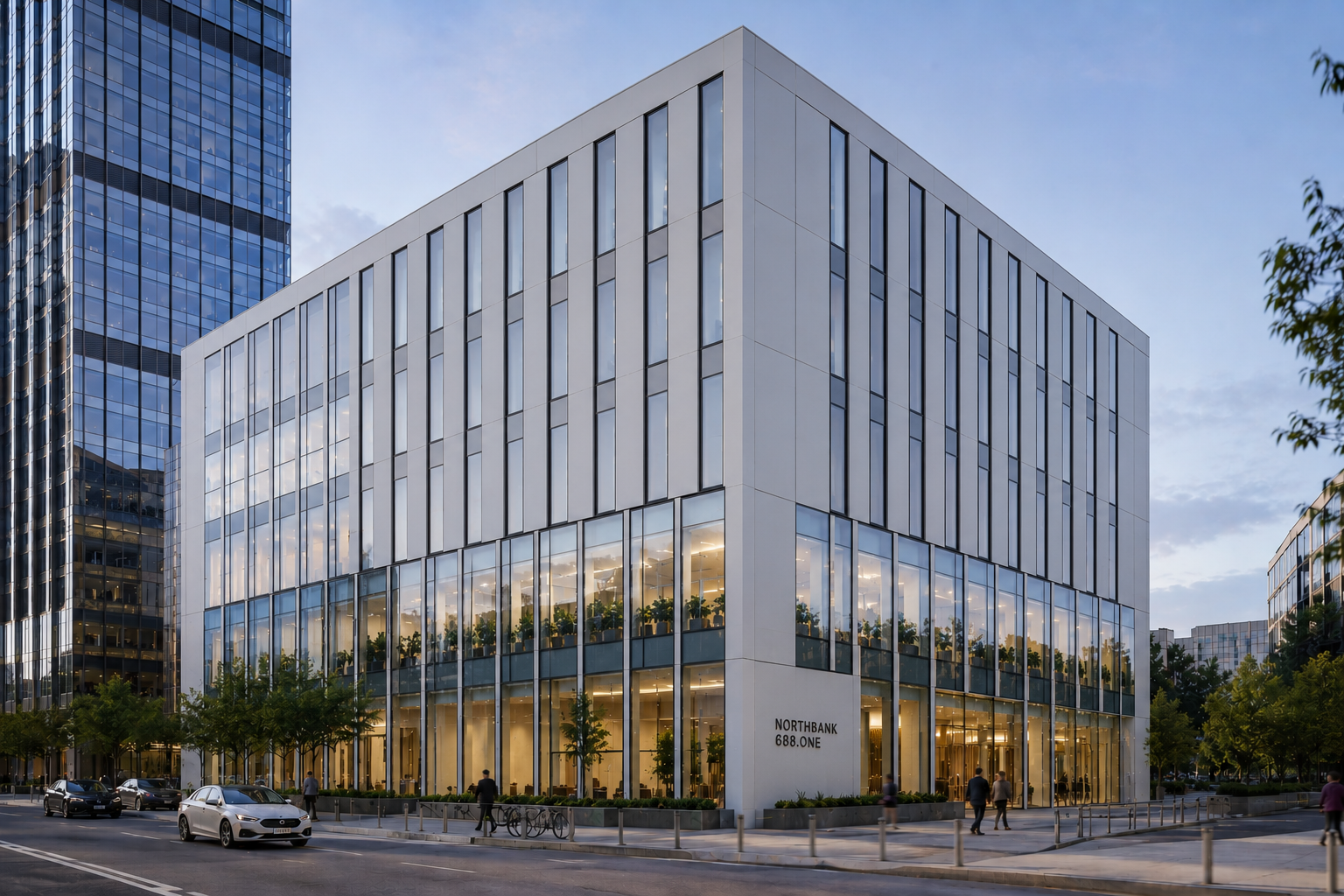
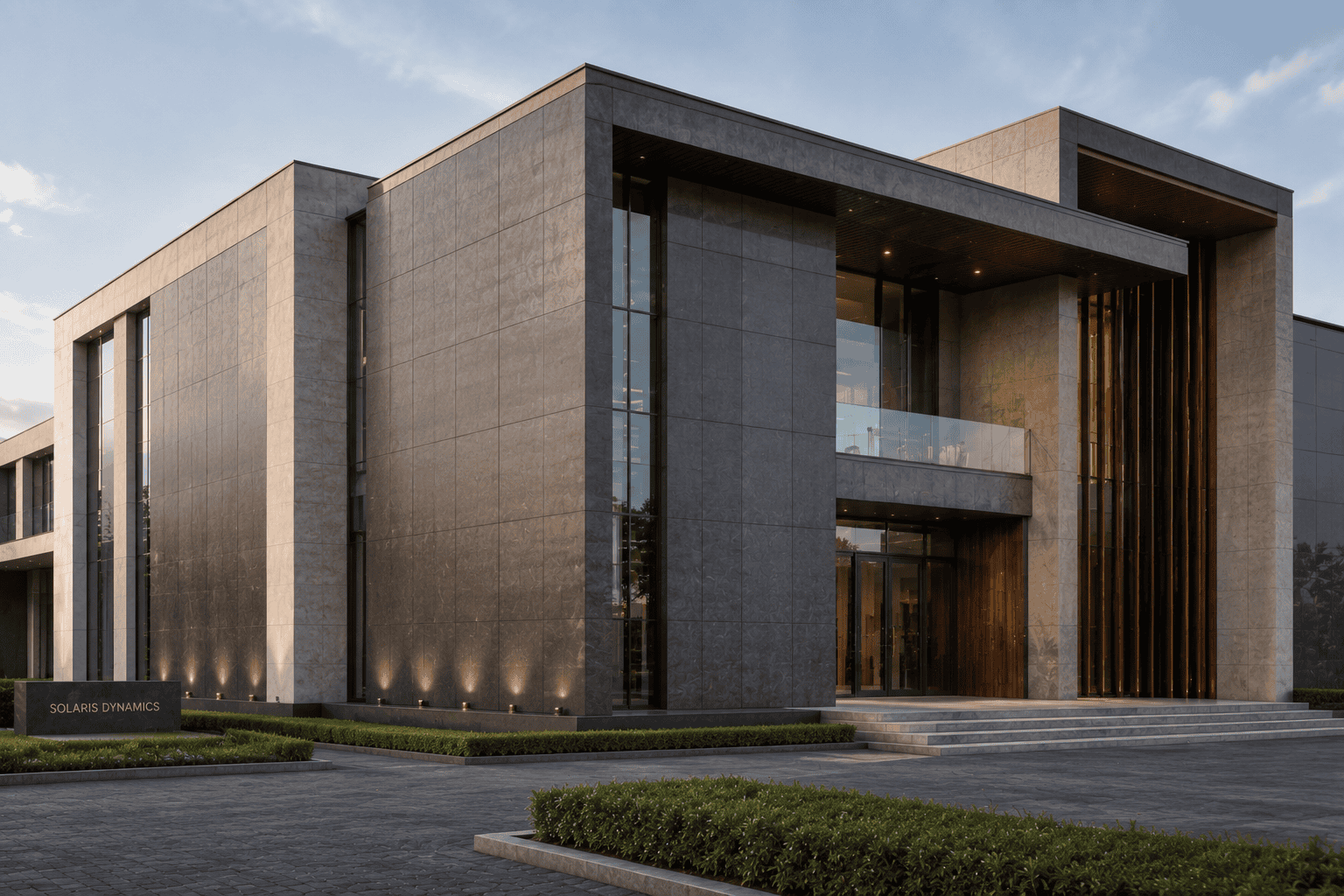
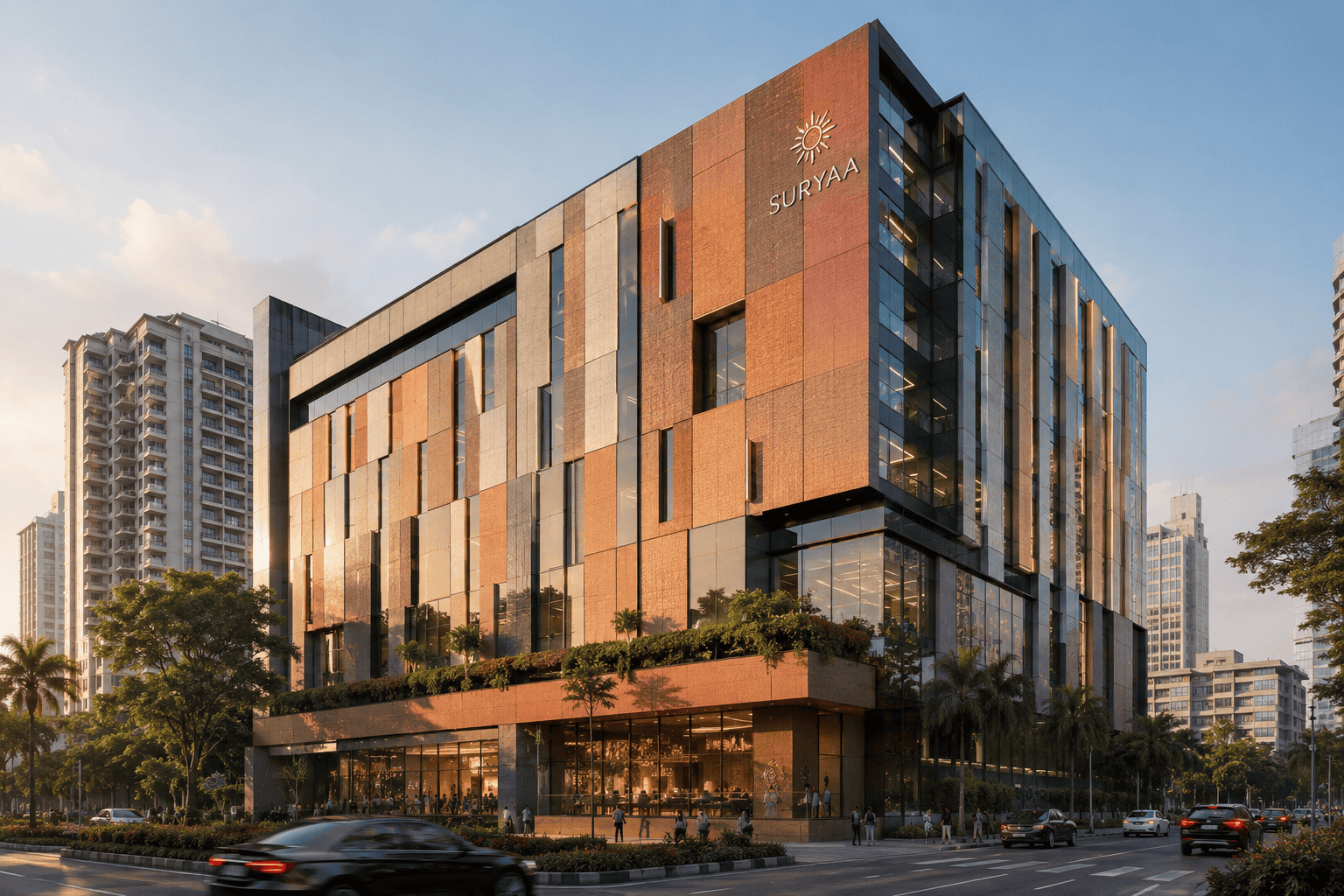
Modern architecture is evolving to do more than define spaces—it is expected to contribute to sustainability and energy efficiency. With photovoltaic cladding panels, building facades can now actively generate clean energy while maintaining a refined visual appeal. These systems transform exterior surfaces into functional assets that support both performance and design.
Aelius, a leading manufacturer of BIPV and turnkey solar solutions, offers solar-integrated cladding systems. These enable developers and architects to seamlessly incorporate clean energy into building exteriors without compromising on design intent. By integrating solar technology directly into cladding systems, projects can reduce reliance on conventional power sources while enhancing overall building efficiency.
Cladding systems integrated with solar technology offer a practical way to enhance building performance while ensuring design continuity. By using solar cladding panels in India, developers can optimise facade surfaces to generate energy, reduce operational costs, and support green building initiatives. These solutions enable buildings to perform more efficiently while maintaining a strong architectural identity, contributing to certifications such as GRIHA, LEED, and IGBC.
Proven expertise in delivering customised facade-integrated solar cladding solutions across commercial and infrastructure projects.
Use of high-quality materials sourced and produced via designing with BIPV principles to ensure durability, safety, and consistent energy performance. .
End-to-end support, from facade design consultation and engineering to execution and installation.
Strong focus on innovation aligned with evolving architectural and sustainability requirements.
Bring clean energy to your facade; connect with us to get started.
1. Can architects customise the design of solar cladding panels?
Yes, solar cladding panels can be customised in terms of size, finish, colour, and configuration to align with specific facade designs and architectural intent.
2. How much electricity can solar cladding generate for a building?
Energy generation depends on facade orientation, surface area, and system design, with photovoltaic cladding typically delivering around 150–200 W/m². Annual output can reach approximately 180 kWh/m² on south-facing facades and 150 kWh/m² on east/west-facing facades, meaning a 1000 m² south-facing system can generate nearly 180,000 kWh per year. Overall, BIPV cladding can meet up to 40% of a building’s energy needs, with higher potential when combined with battery storage.
3. Can solar cladding generate power even on vertical walls?
Yes, while vertical installations may produce less energy than rooftop systems, they still generate consistent power throughout the day, especially on well-orientated facades.
4. Does solar cladding contribute to green building certifications?
Yes, solar cladding supports sustainability goals and can contribute to green building certifications such as GRIHA, LEED, and IGBC by improving energy efficiency and reducing overall carbon footprints.