
Sustainable construction is becoming a defining priority in modern building development. As demand grows for energy-efficient infrastructure, architects and real estate developers are moving beyond conventional rooftop solar toward solutions integrated directly into the structure itself. Building-Integrated Photovoltaics (BIPV) are leading this shift by combining clean energy generation with architectural functionality.
By replacing traditional building materials while producing power, BIPV offers a practical balance of design flexibility, long-term cost savings, and sustainability performance. For future-focused projects, it presents a smart way to align aesthetics with measurable value.
Discover smarter ways to integrate sustainability into modern building design.
A] What Is BIPV and How Can It Be Integrated into Modern Architecture?
‘Building-Integrated Photovoltaics’ (BIPV) refers to solar technology that is seamlessly incorporated into a building’s structure rather than being mounted as an external addition. Different from traditional solar panels, which are typically installed on rooftops after construction, integrated photovoltaic panels are designed to function as part of the building envelope itself.
These systems can be integrated into multiple architectural elements, making them highly versatile for modern construction.
- BIPV Roofing: Replaces standard roofing materials while generating solar energy.
- Solar Facades: Converts vertical building surfaces into energy-producing assets.
- Skylights and Glazing: Allows natural light entry while supporting power generation.
- Canopies and Shading Systems: Combines functional shading with renewable energy production.
This flexibility allows architects to incorporate clean energy generation from the earliest design stages, ensuring both performance and visual harmony.
B] How BIPV Enhances Architectural Design and Aesthetics
One of the biggest advantages of BIPV is its ability to support sustainability without compromising design intent. Traditional solar installations often create visual interruptions, especially on premium commercial and residential buildings. BIPV addresses this by becoming a natural part of the building envelope.
For architects comparing BIPV and solar panels, the seamless incorporation offers a clear aesthetic advantage. Customisable materials, colours, module layouts, and panel configurations provide greater creative freedom. This makes designing with BIPV more adaptable, allowing energy solutions to complement the overall architectural language of a project rather than appear as secondary additions.
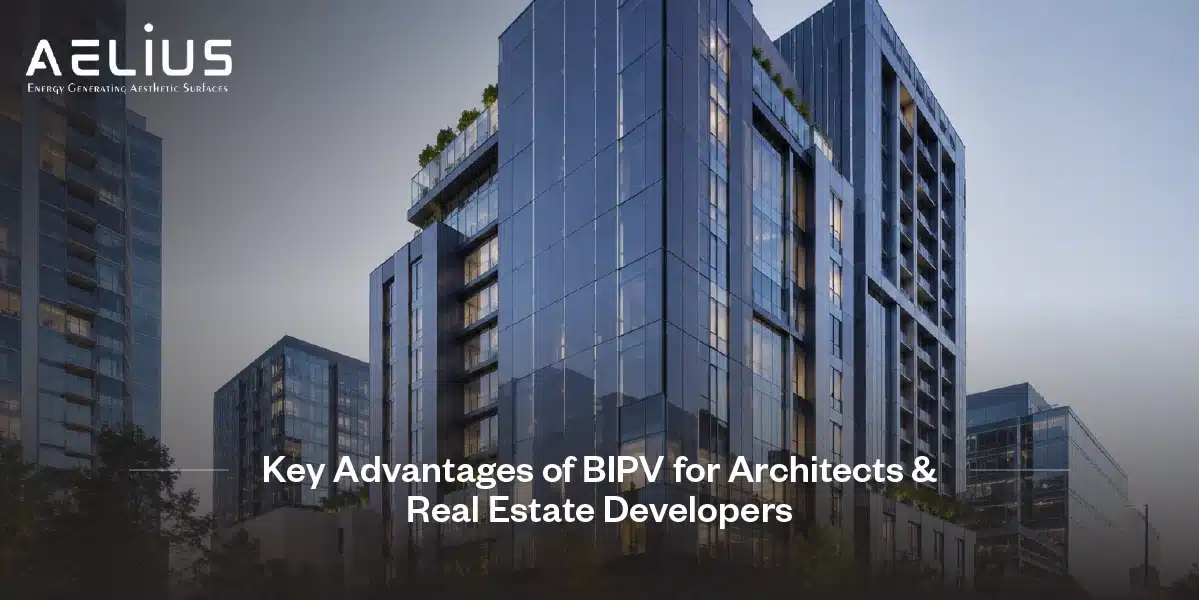
BIPV systems can complement sleek glass facades, contemporary roofing designs, and dynamic exterior concepts while maintaining a clean and cohesive appearance. This integration is particularly valuable in projects where aesthetics strongly influence market positioning.
Beyond appearance, BIPV contributes to green building certifications such as LEED, IGBC, and GRIHA. It supports modern architectural priorities by combining sustainability, visual refinement, and functional innovation in one solution.
C] How Does BIPV Improve ROI for Real Estate Developers?
For developers, BIPV offers measurable financial advantages that go beyond sustainability branding. Its value lies in delivering two functions through one investment. Here are the primary ways BIPV strengthens project returns:
- Dual-Purpose Investment: Functions as both a building material and an energy-generating system, supported by advanced BIPV manufacturing that helps ensure precision and long-term performance.
- Material Cost Offset: Replaces traditional facade, roofing, or glazing materials, helping balance initial installation expenses.
- Long-Term Energy Savings: Reduces operational electricity costs for property owners and tenants.
- Enhanced Property Value: Energy-efficient buildings often attract stronger buyer interest and command premium positioning.
- Stronger Market Appeal: Sustainable design helps projects stand out in increasingly competitive real estate markets.
Over time, these advantages contribute to better lifecycle economics. For developers building future-focused commercial or residential projects, BIPV offers a practical path toward stronger returns while adding long-term asset value.
D] What Are the Environmental and Market Advantages of BIPV?
BIPV delivers value beyond energy generation, supporting both sustainability goals and long-term market competitiveness. Ongoing urban sustainability insights continue to highlight how advanced BIPV systems are shaping the future of resilient building design. Its advantages include:
- Reduced Grid Dependence: On-site solar generation lowers reliance on conventional electricity sources.
- Lower Carbon Emissions: Supports cleaner operations and helps reduce the building’s environmental footprint.
- Improved Energy Ratings: Strengthens overall building efficiency and sustainability performance.
- ESG Alignment: Supports corporate environmental commitments and evolving sustainability benchmarks.
- Regulatory Readiness: Helps projects stay aligned with increasingly strict green building standards.
- Market Differentiation: Sustainable developments often attract more attention from environmentally conscious buyers and tenants.
- Stronger Brand Perception: Positions developers as forward-thinking and innovation-led.
As sustainability becomes a stronger decision-making factor in real estate, BIPV offers a competitive advantage that goes beyond compliance. It allows projects to meet environmental expectations while creating lasting market relevance.
E] What Should Architects and Developers Consider Before Adopting BIPV?
Successful BIPV adoption depends on careful planning from the earliest project stages. While the long-term advantages are substantial, thoughtful integration is essential. Key considerations include:
- Lifecycle Value: Evaluate long-term savings against upfront investment.
- Building Orientation: Sun exposure and positioning significantly influence performance.
- Design Compatibility: Integration should align with structural and visual requirements.
- Early Collaboration: Architects, engineers, and solar specialists must coordinate from the concept stage.
- Compliance Requirements: Local regulations, electrical standards, and approval processes must be reviewed carefully.
When approached strategically, these considerations help maximise both performance and design outcomes while ensuring smooth project execution.
Explore how integrated solar design can elevate performance, aesthetics, and long-term project value.
Conclusion
BIPV represents a major shift in how sustainable buildings are conceived and delivered. It brings together architectural freedom, energy efficiency, and long-term financial returns in a way few technologies can match.
For architects, it opens new design possibilities without compromising visual integrity. For developers, it offers a practical investment that enhances project value while supporting future sustainability expectations. As green building standards continue to evolve, BIPV is becoming less of an optional innovation and more of a strategic advantage.
For organisations looking to create future-ready developments that combine performance with design excellence, Aelius, an innovative manufacturer of BIPV and turnkey solar solutions, offers the expertise needed to turn architectural vision into integrated energy performance. Contact us to discuss how BIPV can be incorporated into your next project.

Mr. Ankit Modi
Mr. Ankit Modi is the Founder & CEO of Aelius, driving innovation in Building-Integrated Photovoltaics (BIPV) and solar design. With a Master’s in Renewable Energy and Architecture from Nottingham University, UK, and 18+ years of experience in renewable energy and solar solutions, he brings together architectural sensitivity and technical precision. As a Certified Low Carbon Consultant with CIBSE (UK), he brings a strong focus on sustainable building practices and renewable integration. He is also associated with BREEAM (UK), IGBC, and GRIHA, supporting his vision for low-carbon architecture.