
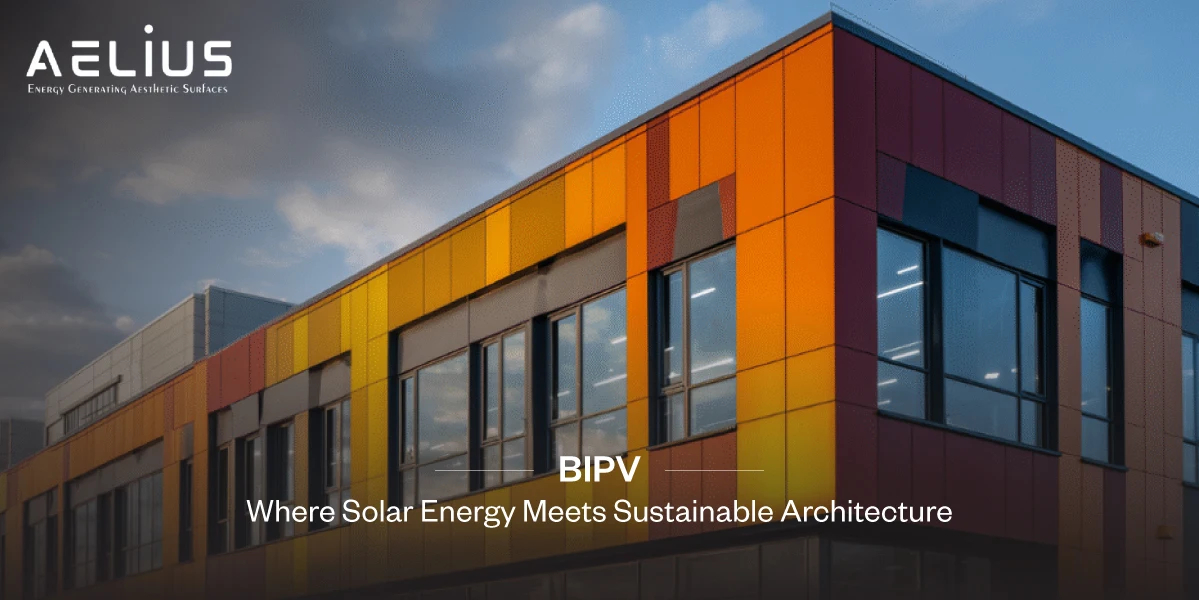
Solar energy has become an important part of sustainable building design, but the way it is integrated into architecture is evolving. Traditional solar panels are usually installed on existing roofs or structures, while Building-Integrated Photovoltaics (BIPV) takes a more integrated approach. BIPV can form part of facades, roofs, glazing, and other building elements while generating electricity from sunlight. This allows architects and developers to consider energy generation alongside aesthetics, functionality and space utilisation from the early stages of design. As buildings are expected to become more energy-efficient and environmentally responsible, BIPV offers a way to make architectural surfaces work harder without treating sustainability as an addition to the design.
Transform Architectural Surfaces into Clean Energy Solutions
What Is BIPV and Why Is It Changing Sustainable Architecture?
Building-Integrated Photovoltaics refers to photovoltaic systems designed to become part of a building rather than simply being mounted onto it. Depending on the project, BIPV can become part of the building envelope while serving both architectural and energy-generation functions. In this way, the solar component can serve a functional building purpose while also generating renewable energy.
The distinction from conventional rooftop solar is important. Conventional panels are generally added to an existing surface using separate mounting structures. BIPV, by contrast, can replace or form part of conventional building materials and contribute directly to the building envelope. These systems can also be customised in terms of size, shape, colour and finish, allowing solar technology to align more closely with the building’s architectural design.
This makes BIPV particularly relevant to modern sustainable architecture. Instead of viewing available surfaces simply as structural or aesthetic elements, architects can also consider their potential to generate power. The result is a more integrated approach to building design, where sustainability, energy performance and architectural intent can work together.
Where Can BIPV Be Integrated Into a Building?
BIPV is not limited to one part of a building. Its flexibility allows different surfaces to be considered as potential energy-generating elements, depending on the project’s design, orientation and technical requirements.
- Facades and Cladding
Building facades offer significant surface area, particularly in high-rise and commercial developments. BIPV cladding panels integrate photovoltaic technology into exterior wall systems while supporting the building’s architectural character.
Solar cladding can be designed in different sizes, finishes and configurations to suit a building’s facade requirements. This makes it relevant for offices, commercial developments and infrastructure projects where both appearance and energy performance matter.
- Roofs and Solar Rooftiles
Roofs are among the most practical surfaces for solar integration because of their available area and exposure to sunlight. Solar rooftiles take this idea further by combining roofing and photovoltaic functionality within the same system.
Rather than placing separate panels above a conventional roof, integrated rooftiles can become part of the roof itself while maintaining a cohesive appearance. Aelius describes its solar rooftiles as dual-purpose systems that function as roofing material and on-site clean-energy solutions, with options for different finishes, dimensions, and colours.
The broader concept of solar-as-roof follows the same principle. Here, the solar system is integrated directly into the roof structure, allowing the building’s roof to become an energy-generating surface rather than simply supporting a separate solar installation.
- Designer Solar and Architectural Features
Solar technology does not have to follow a standard panel appearance. Designer solar allows photovoltaic systems to be developed with greater attention to colour, texture, finish and overall visual identity. This can be particularly useful for projects where architectural expression is a central part of the design. For a closer look at how these elements can shape modern buildings, read our blog on design-driven BIPV with custom colours, textures and finishes.
Other architectural elements can also be explored. Railings, for example, can incorporate photovoltaic panels to turn balcony or terrace edges into productive surfaces.
What Makes BIPV Valuable for Sustainable Buildings?
The value of BIPV extends beyond generating renewable electricity. By integrating solar technology into the building itself, it can support several aspects of sustainable architectural design.
- Architectural integration: Solar elements can be designed to complement facades, roofs and other building features instead of appearing as separate additions. Custom colours, sizes, shapes and finishes can provide greater design flexibility.
- On-site energy generation: BIPV allows buildings to generate clean electricity from surfaces that are already part of the structure. This can help reduce reliance on conventional electricity sources and support broader energy-efficiency goals.
- Better surface utilisation: In dense urban environments, available land for separate solar installations can be limited. BIPV makes it possible to use existing facades, roofs, balconies and other suitable surfaces for energy generation.
- Building performance: The overall performance of a BIPV system depends on factors such as orientation, shading, surface area, materials, and project design. When these elements are considered together, integrated solar can contribute to the building’s wider energy and sustainability strategy.
- Sustainability and building value: BIPV can support green-building objectives and contribute to frameworks such as GRIHA, LEED, and IGBC. For commercial and institutional projects, integrating sustainability into the building’s design can also strengthen its long-term environmental and architectural value.
From Individual Buildings to Sustainable Urban Architecture
The potential of BIPV extends well beyond individual buildings. Its applications can be considered across a wide range of developments, including corporate offices, IT parks, shopping malls, airports, hospitals, hospitality projects and large residential communities.
As cities become denser and energy demand continues to grow, buildings will need to make more productive use of the surfaces already available to them. Facades, rooftops, balconies, and architectural features can collectively become part of a distributed energy-generation network.
This also creates possibilities for larger low-carbon developments. BIPV alone cannot make every project net-zero, but when combined with energy-efficient design, responsible material choices, storage, and other renewable-energy systems, it can contribute to broader net-zero building and urban strategies. The future of sustainable architecture, therefore, is not simply about installing more solar panels. It is about considering energy generation as part of the building’s design from the beginning.
Design Smarter, More Sustainable Buildings with BIPV
Conclusion
Building-Integrated Photovoltaics brings architecture and renewable energy together in a way that conventional solar installations cannot always achieve. From facades and BIPV cladding panels to solar rooftiles, designer solar and solar-integrated railings, a wider range of building surfaces can become part of the energy strategy. This makes BIPV a practical consideration for architects and developers looking to balance design, sustainability and energy performance.
As the built environment moves towards more efficient and responsible development, BIPV can play an increasingly important role in shaping future-ready buildings. Aelius, a manufacturer of BIPV and turnkey solar solutions, supports projects that bring architectural design and energy generation together. To explore how BIPV could fit your next project, contact us and discuss your requirements.
FAQs
1.What industries benefit the most from BIPV solutions?
Industries with large buildings and extensive roof or facade areas, such as commercial real estate, manufacturing, hospitality, healthcare, and infrastructure, can benefit significantly from BIPV solutions. They can integrate solar generation into existing architectural elements while improving energy efficiency.
2.How long do building-integrated photovoltaic systems last?
BIPV systems can have a long operational life, with many photovoltaic components designed to perform for 25 years or more. Their actual lifespan depends on the materials, installation quality, environmental conditions, and maintenance.
3.Can building-integrated photovoltaics contribute to green building certifications?
Yes, BIPV can contribute towards green building certifications such as LEED, GRIHA and IGBC by supporting renewable energy generation, energy efficiency and sustainable building design. The exact contribution depends on the project’s overall design and the certification criteria.
4.Why should businesses invest in building integrated photovoltaics?
BIPV allows businesses to combine renewable energy generation with functional building elements, helping make better use of available roof and facade space. It can support long-term energy and sustainability goals while enhancing the architectural value of a property.

Mr. Ankit Modi
Mr. Ankit Modi is the Founder & CEO of Aelius, driving innovation in Building-Integrated Photovoltaics (BIPV) and solar design. With a Master’s in Renewable Energy and Architecture from Nottingham University, UK, and 18+ years of experience in renewable energy and solar solutions, he brings together architectural sensitivity and technical precision. As a Certified Low Carbon Consultant with CIBSE (UK), he brings a strong focus on sustainable building practices and renewable integration. He is also associated with BREEAM (UK), IGBC, and GRIHA, supporting his vision for low-carbon architecture.